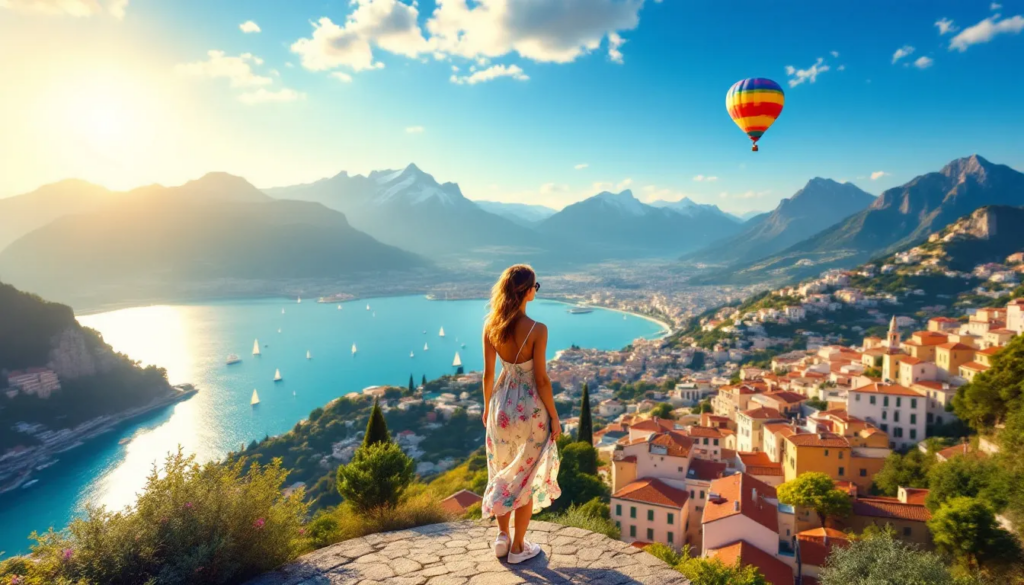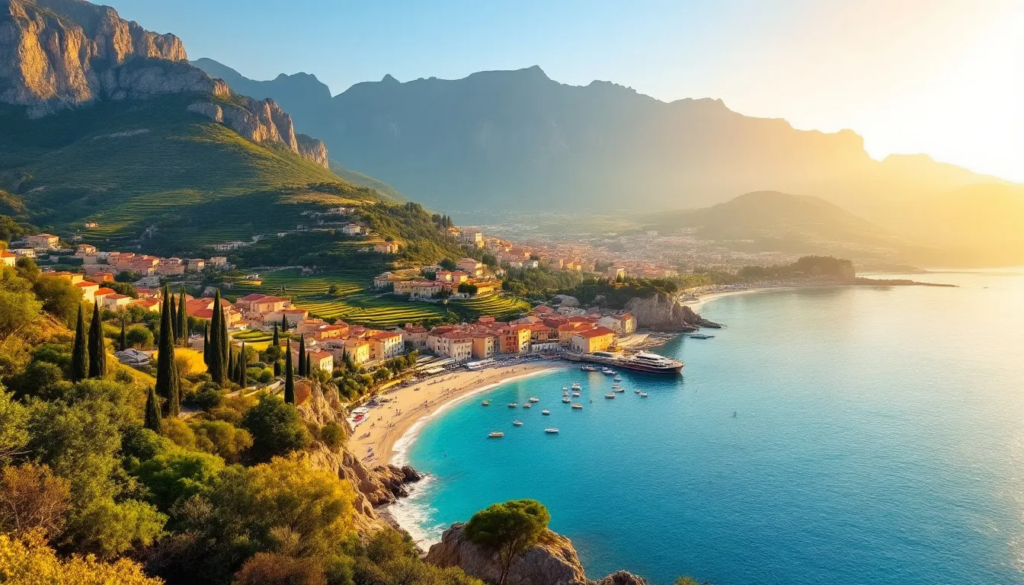
If you’re wondering what Le Marche, Italy, is known for, the short answer is this: Le Marche is known for offering everything people love about Italy, historic hill towns, mountain landscapes, Adriatic beaches, and deeply local food, without the crowds found in places like Tuscany or the Amalfi Coast. Located in central Italy between the Apennine Mountains and the Adriatic Sea, the Marche region feels authentic, relaxed, and deeply rooted in everyday Italian life.
For travelers seeking culture, scenery, and food without crowds, Le Marche is one of Italy’s hidden gems. With local guidance, visitors can explore the region comfortably through focused, private day excursions rather than rushed, multi-city travel.
If you’re planning to visit Le Marche and want to experience its highlights without stress, curated private day tours led by local experts help turn travel plans into meaningful experiences.
Le Marche Is Known for Being “All of Italy” in One Region
Le Marche offers rare geographic and cultural variety in a small area. In a single day, you can visit medieval hilltop towns, hike mountain trails, and relax along the Adriatic coast—without leaving the region.
This diversity is one reason many travelers feel Le Marche offers a fuller picture of Italy than more famous regions. You’ll find historic cities, tiny villages, olive groves, natural parks, and working farms coexisting side by side. Unlike regions shaped heavily by international tourism, the Marche region still revolves around local people, local rhythms, and long-standing traditions.
Because public transportation is limited in rural areas, exploring this variety often works best through guided or private tours that handle logistics while allowing you to focus on the experience itself.
Historic Hilltop Towns and Renaissance Cities
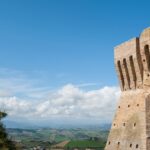
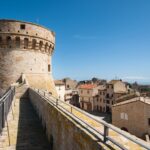
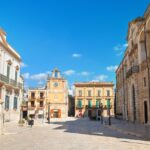
Le Marche is known for its historic towns that feel lived-in rather than preserved for display. Many Italian municipalities here balance daily life with centuries of history, making exploration feel natural rather than staged.
Urbino and Renaissance Heritage
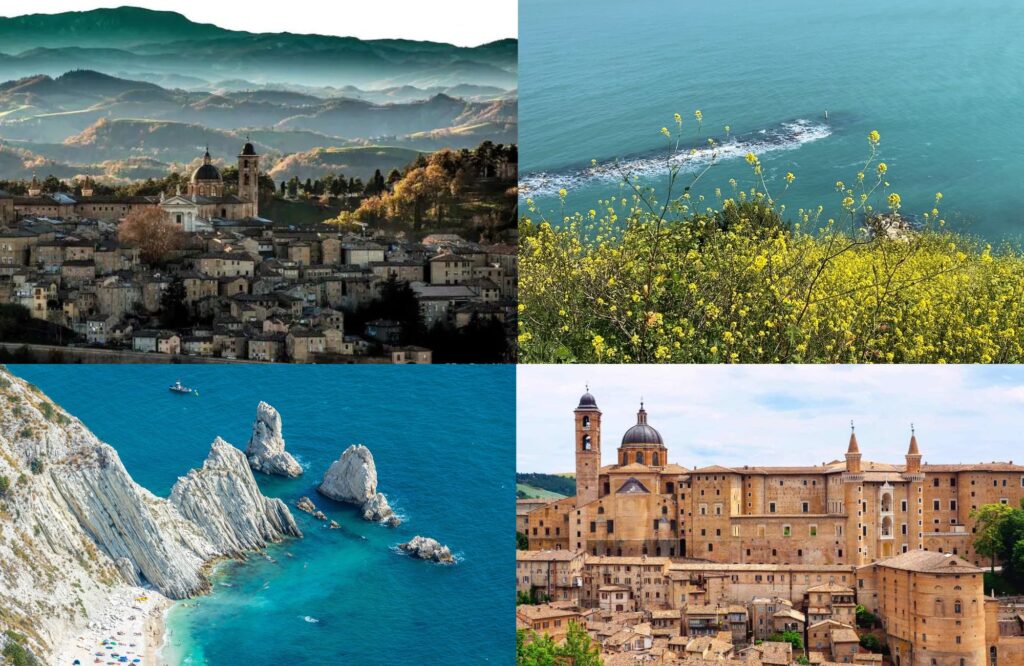
The city of Urbino is one of Le Marche’s cultural anchors. A UNESCO-listed Renaissance city, Urbino is best known for its artistic legacy and the impressive Ducal Palace that dominates the skyline. The town’s narrow streets, academic atmosphere, and sweeping views over the countryside give visitors a strong sense of how history still shapes modern life.
Urbino is especially meaningful for travelers interested in art, architecture, and Renaissance history, but it also works well as part of a broader day excursion that includes surrounding villages and countryside stops.
Ascoli Piceno and the “City of a Hundred Towers”
Ascoli Piceno is often described as one of the most elegant small cities in central Italy. Built largely from pale travertine stone, it’s known as the “city of a hundred towers” for its medieval skyline. Roman bridges, grand piazzas, and local cafés give Ascoli Piceno a timeless feel that rewards slow walking and storytelling.
Ascoli is also closely tied to Marche food culture, making it a natural stop on history-and-cuisine-focused day tours.
After exploring towns like Urbino or Ascoli Piceno, many travelers choose private, guide-led day excursions to understand the history behind the architecture rather than just viewing landmarks on their own.
Mountains, National Parks, and Outdoor Landscapes
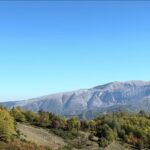
Le Marche is known for dramatic natural scenery that stretches from the Apennine Mountains to the sea. Much of the region remains rural, with protected areas that support hiking, cycling, and nature-based travel.
The Apennine Mountains and Sibillini Range
The interior of the Marche region is shaped by the Apennine Mountains, particularly the Sibillini Mountains. This area includes rolling peaks, alpine meadows, and remote trails that feel far removed from coastal Italy. Mountain biking, hiking, and scenic drives are common ways to experience this side of the region.
Waterfalls, such as Cascata della Prata, add to the appeal, especially in warmer months when travelers seek cooler temperatures and quieter paths.
Monti Sibillini National Park
Monti Sibillini National Park is one of the region’s most important natural parks. It protects a wide stretch of high-altitude landscapes and supports wildlife, wildflowers, and seasonal grazing. For visitors, the park offers panoramic views and walking routes that highlight a very different side of Italy than its cities.
Because access points are spread out and public bus service is limited, visiting this area is often easiest as part of a guided or private nature-focused excursion.
The Adriatic Coast and Conero Riviera
Le Marche is also known for its beautiful Adriatic coastline, which contrasts sharply with the rocky cliffs and sandy beaches of other Italian regions. The coast here feels understated and local, especially outside peak summer.
Conero Riviera and Coastal Scenery
The Conero Riviera is one of the most scenic parts of the Adriatic coast. White cliffs, clear water, and small coves define the landscape. Boat tours, swimming stops, and relaxed seaside towns give visitors access to the sea without the density of more famous beach destinations.
Places like San Benedetto del Tronto offer long promenades, seafood traditions, and family-friendly beaches that remain tied to everyday Italian life rather than resort tourism.
Coastal day excursions often combine sailing, local food, and swimming, making them ideal for travelers who want a complete seaside experience in a single day.
Frasassi Caves and Natural Wonders
Le Marche hosts some of Italy’s most impressive natural landmarks, including the Frasassi Caves. These vast underground chambers rank among Europe’s largest cave systems. They provide a striking contrast to the region’s open landscapes.
Visiting the caves provides insight into the region’s geological history and works best when paired with nearby countryside stops or local food experiences. Guided access is essential, both for safety and for understanding the scale and formation of the caves.
Food and Wine With Deep Local Roots
Food is central to what Le Marche Italy, is known for. The cuisine reflects both mountain and coastal traditions, relying on seasonal ingredients and long-standing recipes rather than modern reinvention.
Some foods Le Marche is famous for include:
- Olive all’ascolana, stuffed and fried olives tied to Ascoli Piceno
- Brodetto, a traditional fish stew from the coast
- Vincisgrassi, a rich baked pasta dish unique to the region
Local wine also plays a major role. Verdicchio is the region’s most well-known white wine, while reds like Rosso Conero pair naturally with meat and seafood dishes. Visiting vineyards or enjoying wine as part of a guided food-focused tour adds cultural context that’s easy to miss otherwise.
Craft Traditions and Italian Shoes
Le Marche is known for craftsmanship, particularly in the production of Italian shoes and leather goods. The region has long supported small workshops and family-run factories, some of which supply high-end fashion brands.
This tradition reflects the broader identity of the Marche region: practical, skilled, and quietly influential. Travelers interested in shopping or craft history often appreciate learning how local industries shaped the economy and culture of the area.
A Region Made for Boutique, Slow Travel
Le Marche rewards travelers who take their time. Instead of rushing between cities, visitors benefit from choosing a few meaningful experiences and letting the region unfold naturally.
This is where private, all-inclusive day excursions work particularly well. By focusing on one theme, history, nature, food, or coast, you can explore deeply without managing transportation, language barriers, or logistics on your own.
For travelers who want to experience Le Marche’s highlights in a single day, thoughtfully planned private excursions make the region accessible without sacrificing authenticity.
How Many Days Do You Need in Le Marche?
Le Marche can be experienced in different ways depending on your travel style. A single day is enough to explore one area in depth, especially with a guided excursion. Three days allow you to combine towns, coast, and countryside, while a week supports slower travel with time for villages and natural parks.
Many travelers choose Le Marche as part of a longer Italy trip, using private day tours to connect it smoothly with other destinations.
When Is the Best Time to Visit Le Marche?
Late spring through early fall is the most popular time to visit Le Marche. Summer brings beach weather along the Adriatic coast, while spring and early autumn are ideal for hiking, food experiences, and exploring hilltop towns. Shoulder seasons also mean fewer tourists and a more relaxed pace.
Is Le Marche Worth Visiting Compared to Tuscany or Umbria?
Le Marche is worth visiting for travelers who want scenery and culture similar to Tuscany or Umbria but with fewer tourists and a more local atmosphere. While it lacks the international fame of those regions, it offers comparable landscapes, strong food traditions, and historic cities at a slower, more personal pace.
Conclusion
Le Marche offers a complete Italian experience without the crowds. The region combines historic hilltop towns, mountain landscapes, Adriatic beaches, and rich food traditions. What makes it special is its authenticity, locals, working towns, and cultural traditions remain part of daily life, not staged for tourists. Travelers seeking Italy beyond the usual routes will enjoy its balance of beauty, history, and calm. Private day excursions let visitors explore more, relax, and connect with the region in a personal, immersive way.
Looking for a more authentic, stress-free way to experience Italy? True Colors of Italy offers private, all-inclusive day tours that showcase the culture, landscapes, and cuisine of the Le Marche region. Whether you’re traveling solo or with a small group, our curated excursions are designed for travelers who value comfort, local insight, and meaningful experiences. Contact us today to begin planning your personalized journey through Le Marche.
FAQs
What is Le Marche, Italy, famous for?
Le Marche combines historic hill towns, natural parks, Adriatic beaches, and rich food traditions. It offers authentic Italian life without crowds. Local artisans produce crafts, and vineyards create notable wines.
Why is it called Le Marche?
“Le Marche” comes from the medieval word marchia, meaning a border territory. The name reflects its history as a frontier among multiple powers.
Is Le Marche worth visiting?
Yes. Travelers who enjoy culture, scenery, and food will find it rewarding. Couples, retirees, and curious explorers often prefer it.
Do you need a car in Le Marche?
Yes. Small towns and parks have limited public transport. Guided or private tours help visitors explore comfortably.