Ascoli Piceno, nestled in the heart of Italy’s Marche region, is a treasure trove of history and architectural beauty. Known for its medieval charm and rich cultural heritage, the city is home to some of Italy’s oldest and most significant churches. From the Romanesque style of the Cathedral of Sant’Emidio to the Gothic grandeur of San Francesco, Ascoli Piceno offers a fascinating journey through the centuries. Whether you’re a history enthusiast, an architecture lover, or simply seeking a unique Italian experience, the old churches of Ascoli Piceno provide a remarkable glimpse into the city’s past. In this guide, we’ll explore these historical gems, uncovering their architectural features, art, and spiritual significance.
The Oldest Churches in Ascoli Piceno: A Historical Overview
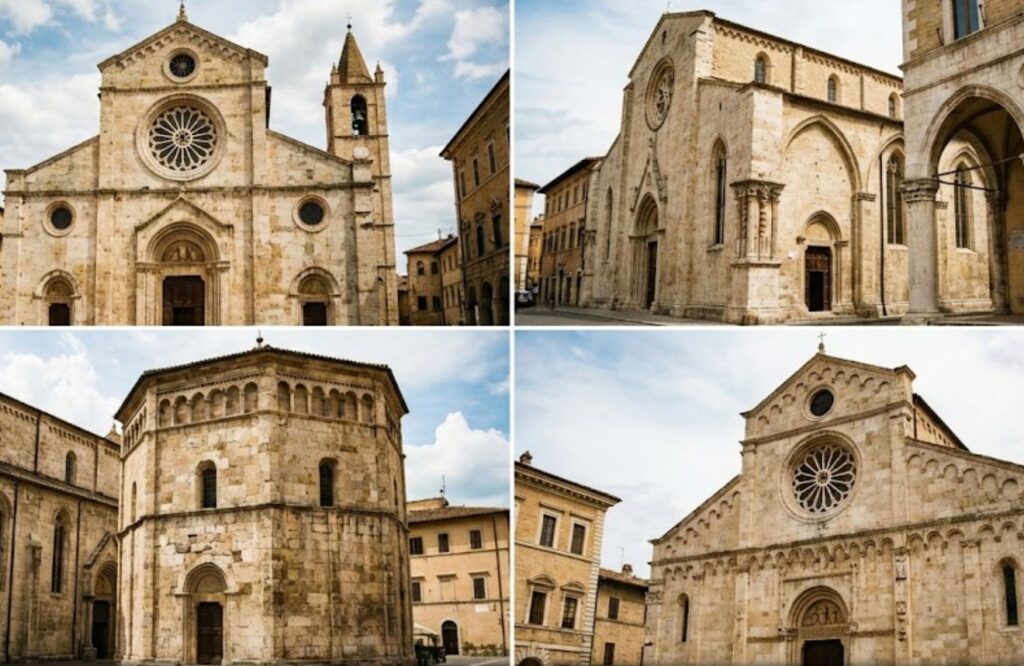
Ascoli Piceno boasts a rich collection of old churches that showcase a variety of architectural styles, from Romanesque to Baroque. The town is filled with medieval buildings, and its churches reflect the construction styles of different eras, illustrating the architectural evolution of the city.
These churches are not only places of worship but also reflect the city’s cultural evolution over the centuries. Ascoli Piceno’s churches showcase a rich history from Roman foundations to stunning Romanesque, Gothic, and Renaissance styles.
Cathedral of Sant’Emidio
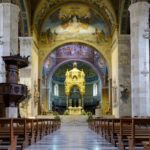
The Cathedral of Sant’Emidio is Ascoli Piceno’s oldest and most important church. Built between the 5th and 9th centuries, this Romanesque cathedral honors the city’s patron saint, Sant’Emidio. Its simple yet striking façade, made from local travertine stone, is a testament to the city’s early Christian architecture. Inside, the cathedral houses beautiful frescoes, including works by Carlo Crivelli, whose art provides a glimpse into the medieval religious mindset of the time.
San Francesco Basilica
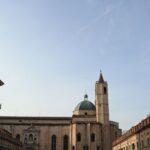
The Basilica di San Francesco is a Roman Catholic church and a major Gothic structure inspired by Saint Francis’s visit in 1215, dating from the 13th to 14th century. Construction of the church began in 1258, it was consecrated in 1371, and completed in 1549. Located on the Piazza del Popolo in Ascoli Piceno, the Basilica is considered the finest example of Franciscan architecture in the Marche region.
The church features a Latin cross layout with three naves divided by hexagonal pilasters. Inside, visitors can find the famous 15th-century “miracle” cross. The wool merchants played a significant role as patrons of the church’s construction, symbolized by a lamb sculpture on the building.
A notable architectural feature is the Loggia dei Mercanti, attached to the east flank of the church, built in 1513 with its distinctive five arches, reflecting the historical connection to merchant activities. Among the church’s unique features are the musical pillars near the entrance, often referred to as organ pipes, which produce sounds when touched, offering a distinctive auditory experience that is part of Ascoli Piceno’s heritage.
San Tommaso Church
San Tommaso Apostolo is one of the oldest and most beautiful churches in Ascoli Piceno. Located in the historic center, near the square of the same name, the church stands as a testament to the city’s rich past. Built in the 11th century, San Tommaso is constructed over the remains of a Roman amphitheater, highlighting the city’s layered historical significance and the blending of different eras. The church features a three-nave design, with a beautifully preserved crypt that holds relics of Saint Thomas. Its Romanesque architecture, baroque altars, and frescoes offer a unique glimpse into Ascoli Piceno’s past through both medieval and ancient Roman elements. The adjacent museum showcases typical Ascoli decorated ceramics and is highly recommended by visitors.
Architectural Styles: Romanesque, Gothic, and Baroque Churches in Ascoli Piceno
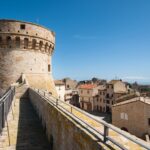
Ascoli Piceno’s churches are a perfect blend of different architectural styles, each representing a unique period in Italian history. The city is renowned for its medieval towers, which rise above the skyline and reflect the influence of the Middle Ages on its urban layout and architecture. Many churches in Ascoli Piceno seamlessly blend Romanesque simplicity with Gothic grandeur and Renaissance refinements, often incorporating pre-existing Roman walls into their structures. The extensive use of local travertine stone gives these buildings a warm, glowing quality that enhances their historic charm. Let’s dive deeper into the distinct styles that adorn these sacred buildings.
Romanesque Architecture
Romanesque architecture is characterized by its thick walls, rounded arches, and simple, functional design. The Cathedral of Sant’Emidio is a classic example of this style, with its three portals and travertine façade. The Romanesque style symbolizes the transition from the early Christian era to the medieval period, reflecting the growing importance of local communities and the consolidation of religious practices.
Gothic Architecture
The Basilica di San Francesco is one of the finest examples of Gothic architecture in Ascoli Piceno. Gothic churches are known for their verticality, pointed arches, and expansive windows that allow more light into the building. The Basilica’s flying buttresses and the intricate stained glass windows provide a sense of elevation and spiritual aspiration, typical of the Gothic style, which flourished in the 13th century.
Baroque Features
Though Baroque architecture is less common in Ascoli Piceno, you can still find elements of it in the churches, particularly in the interiors. Churches such as San Pietro Martire and Sant’Emidio alle Grotte feature Baroque altars and elaborate frescoes that enhance the spiritual atmosphere. The use of light and shadow in Baroque churches is meant to create an emotional experience for visitors, drawing them into the sacred space.
Visiting Ascoli Piceno’s Historic Churches: Practical Tips
Exploring the historic churches of Ascoli Piceno is not only about admiring their beauty but also about understanding their significance within the city’s history. Most of these historic churches are located in the city center, making them easily accessible and close to popular squares and main streets. Here are some tips to make the most of your visit.
Best Time to Visit
Ascoli Piceno’s churches are typically less crowded during the early mornings and weekday afternoons. For those who prefer a more peaceful experience, visiting during the off-season (April–June or September–October) is ideal. These months offer pleasant weather and fewer tourists, allowing you to appreciate the churches without the hustle and bustle of high-season crowds.
What to See Inside
Ascoli Piceno’s churches are filled with artistic treasures. Be sure to spend time admiring the frescoes, altarpieces, and relics found within each church. Some of the most famous works are in the Cathedral of Sant’Emidio, including pieces by Carlo Crivelli, while the Basilica di San Francesco is home to unique musical pillars that create a magical atmosphere.
Visitor Tips
- Dress appropriately: Since these are places of worship, it’s best to dress modestly.
- Check opening hours: Many churches close for lunch or during afternoon hours, so be sure to plan accordingly.
- Photography rules: Some churches may not allow photography, so always ask before taking photos inside.
Need help getting around Ascoli Piceno? Our personalized tours take care of transportation, so you can enjoy your trip stress-free.
The Art and Frescoes Inside Ascoli Piceno’s Churches
Ascoli Piceno’s churches are more than just religious sites — they’re also home to art masterpieces that tell the story of the region’s rich cultural heritage. Some of the most significant frescoes and artworks are housed in these old churches.
Carlo Crivelli’s Art in Sant’Emidio
The Crivelli polyptych inside the Cathedral of Sant’Emidio is one of the most important works of Renaissance art in the region. Crivelli, a master of tempera painting, captures a moment of divine peace with his meticulous use of color and light.
Frescoes in San Francesco
The Basilica di San Francesco features stunning Gothic frescoes that illustrate scenes from the life of Saint Francis. These works are not only significant for their artistic value but also provide insight into the religious and cultural life of the 13th century.
Indulge in an authentic culinary experience with a food and wine tour of Ascoli Piceno. Book now!
Church Walking Tour: Explore Ascoli Piceno’s Sacred Sites
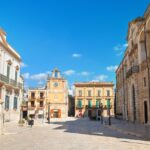
One of the best ways to explore Ascoli Piceno’s historic churches is by taking a walking tour through the city, where the main squares and churches serve as focal points of the itinerary. Start at Piazza del Popolo, with the Palazzo dei Capitani as a prominent landmark, and continue through the narrow alleys that connect each church located in the heart of Ascoli Piceno. The city’s medieval landscape is further defined by the delle torri, including the famous twin towers, which add to the historic atmosphere. Many of the churches feature distinctive architectural elements, such as a bell tower, and were originally built in earlier centuries, with some undergoing modifications in the second half of later centuries. This route allows you to appreciate the city’s heritage, including works by artists like Cola dell’Amatrice, all within easy walking distance.
Suggested Itinerary
- Start at Piazza del Popolo – Visit the Cathedral of Sant’Emidio and take in its Romanesque architecture.
- Walk to Piazza Arringo – Explore the Basilica di San Francesco and admire its Gothic beauty.
- Head to the Church of San Tommaso – Discover the crypt and Romanesque features.
Conclusion
Ascoli Piceno’s old churches offer a captivating glimpse into Italy’s rich history and architectural evolution, from the Romanesque elegance of the Cathedral of Sant’Emidio to the Gothic beauty of San Francesco. Whether you’re drawn to the stunning frescoes, the intricate architectural details, or the serene atmosphere, these sacred sites provide a truly immersive experience into the city’s past. With a guided tour, you can explore these historical treasures in depth, uncovering stories that have shaped this charming Italian city.
Ready to experience Italy in a more authentic and stress-free way? At True Colors of Italy, we offer private, all-inclusive day tours that immerse you in the rich culture, history, and hidden gems of the Le Marche region. Whether you’re traveling solo or with a small group, our tailored experiences ensure comfort, local insight, and unforgettable memories. Contact us today to begin planning your personalized Italian adventure!
FAQs
What is the oldest church in Ascoli Piceno?
The Cathedral of Sant’Emidio, dating back to the 5th century, is the oldest church in Ascoli Piceno. It has been rebuilt over the centuries but still retains its Romanesque charm.
What is Ascoli Piceno famous for?
Ascoli Piceno is famous for its medieval architecture, including its churches, olive all’ascolana (stuffed olives), and the beautiful Piazza del Popolo.
Where is the oldest church in Italy?
The Basilica di San Giovanni in Laterano in Rome is the oldest church in Italy, dating back to 324 AD, but Ascoli Piceno’s churches are among the oldest in the Marche region.