Ascoli Piceno, a charming town nestled in the Le Marche region of central Italy, offers a fascinating glimpse into the medieval past. Known for its unique architecture and historical significance, Ascoli Piceno stands out for its extraordinary collection of medieval buildings, many of which have been preserved over centuries. With a history that stretches back to the Roman era, the town is home to a rich blend of medieval, Romanesque, and Gothic structures that continue to captivate travelers and history enthusiasts alike.
This small town, often referred to as the “City of 100 Towers,” is an architectural gem waiting to be discovered. From its iconic medieval towers and palaces to its charming piazzas and churches, Ascoli Piceno’s medieval architecture is a testament to the city’s storied past. If you’re looking for a destination that combines history, art, and culture, Ascoli Piceno should be at the top of your list. With private, all-inclusive tours designed by local experts, you can explore its hidden treasures firsthand.
What Makes Ascoli Piceno’s Medieval Architecture Unique?
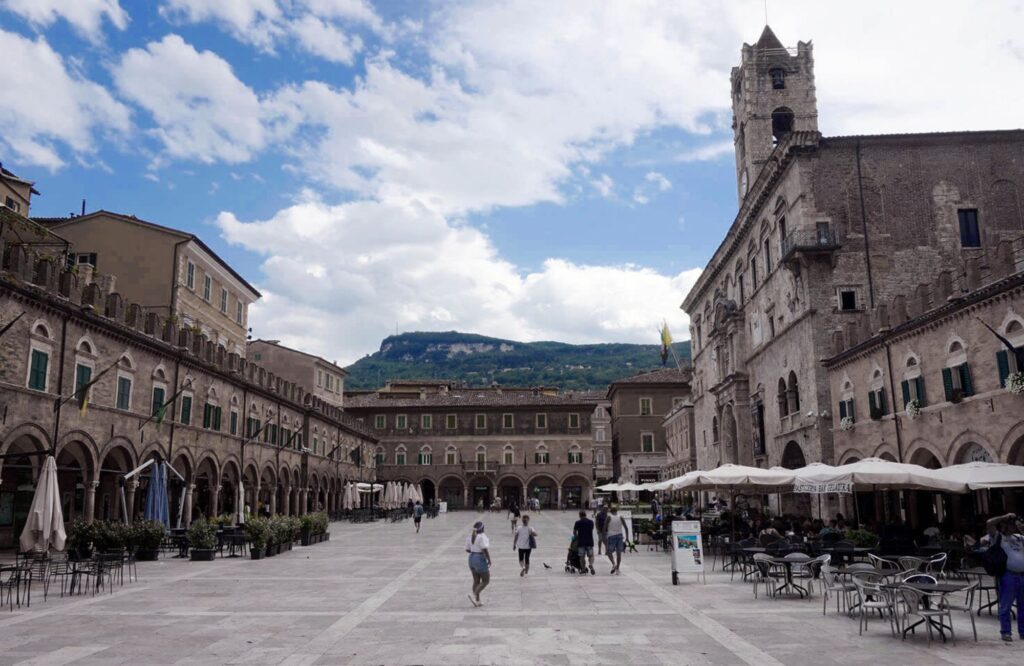
Ascoli Piceno’s medieval architecture is distinguished by several unique features that tell the story of its rich past. The most notable characteristic is the extensive use of travertine stone, a locally sourced material that gives the town its warm, golden hue. This stone is the foundation of many of Ascoli Piceno’s most iconic buildings, including the Palazzo dei Capitani and the Piazza del Popolo.
Romanesque and Gothic Influences
The town’s medieval architecture is a beautiful mix of Romanesque, Gothic, and Renaissance styles, reflecting influences from different periods, including Roman, medieval, and Renaissance. The Romanesque influence is particularly evident in the design of the churches and civic buildings, with rounded arches and thick, sturdy walls that were common during the early Middle Ages. Ascoli Piceno has the highest concentration of Romanesque churches in an Italian city center. In contrast, the Gothic style, which emerged later, is reflected in the tall, pointed arches and intricate details found in several of Ascoli Piceno’s churches, such as the Church of San Francesco. Renaissance architecture and elegant Renaissance buildings, especially around Piazza del Popolo and Piazza Arringo, further enhance the city’s historic charm and visual appeal.
The Role of Medieval Towers
One of the most striking features of Ascoli Piceno’s medieval cityscape is its towers. With over a dozen still standing, these towers were originally built for defensive purposes and as symbols of wealth and power for the city’s ruling families. The City of 100 Towers, as it is often called, offers a unique view of medieval Italy, with these structures dotting the skyline and providing a glimpse into the city’s past. Historical records indicate that Ascoli Piceno was once known as the ‘city of a hundred towers’, with around 200 towers creating a distinctive ‘stone forest’ that defined its medieval identity. The city’s prominent bell towers, along with its defensive towers, have a significant visual impact on the skyline and are key elements of its architectural heritage. Much like San Gimignano, famous for its well-preserved medieval towers and skyline, Ascoli Piceno’s iconic towers evoke the grandeur of Italy’s medieval urban landscapes. The remaining towers today signify the intense rivalries between noble families during the 12th and 13th centuries. Among these, the Torre degli Ercolani stands out as a notable Romanesque tower, reaching 34 meters in height.
Defensive Structures
Medieval cities were often fortified, and Ascoli Piceno was no exception. The town’s city walls, fortresses, and gates are remnants of its defensive architecture, designed to protect the citizens from invaders. The Forte Malatesta, a 14th-century fortress, is one of the most prominent of these structures, offering sweeping views of the surrounding countryside and a glimpse into the military history of the region.
Iconic Medieval Landmarks in Ascoli Piceno
Ascoli Piceno is home to several important medieval landmarks, each telling a part of the city’s story. Whether you’re strolling through its Piazza del Popolo, admiring the ornate Palazzo dei Capitani, or exploring the many towers that rise above the city, there’s always something to discover in this historical town.
Piazza del Popolo
At the heart of Ascoli Piceno’s medieval quarter lies the Piazza del Popolo, one of the most beautiful squares in Italy. Surrounded by medieval buildings, this Renaissance-style square is the perfect starting point for any tour of the city. The Palazzo dei Capitani, with its grand façade and impressive bell tower, dominates the square and showcases the power and influence the city held in medieval times.
Palazzo dei Capitani
The Palazzo dei Capitani is one of the most iconic landmarks in Ascoli Piceno. Built in the 13th century, this medieval palace was once home to the city’s rulers. Today, it stands as a symbol of the city’s medieval past and its architectural grandeur. The building’s travertine façade, pointed arches, and Gothic windows offer a glimpse into the architectural styles of the time.
Nearby, the Palazzo dell’Arengo is another significant 13th-century municipal building located in Piazza del Duomo. It now houses the Civic Art Gallery and serves as an important civic monument, reflecting the city’s historical and cultural heritage.
San Francesco Church
The Church of San Francesco is another notable example of Ascoli Piceno’s medieval architecture. This Romanesque church is home to beautiful frescoes, Romanesque arches, and an impressive Gothic altar. It reflects the transition between Romanesque and Gothic styles, with its sturdy, simplistic structure giving way to more elaborate details and soaring ceilings.
Guasco Palace and Civic Tower
The Guasco Palace, once the residence of local nobility, is another significant historical building in Ascoli Piceno. Its Romanesque design is complemented by the Civic Tower, which offers panoramic views of the city. Many historic buildings in the area, including the palace, feature the reuse of Roman stones in their back wall structures, reflecting a tradition of upcycling ancient materials. The nearby church of San Venanzio is a notable example, incorporating Roman ruins into its construction. The Diocesan Museum, located close to the cathedral, preserves religious art, mosaics, and relics that showcase the region’s rich faith traditions. The Battistero di San Giovanni stands as a Romanesque baptistry built atop Roman ruins in Piazza Arringo, while Santa Maria della Rocca is a striking Romanesque-Gothic church constructed on the site of a former Longobard castle. The tower’s bell-ringing system, used in medieval times, adds a sense of nostalgia to the historic atmosphere.
How to Experience Ascoli Piceno’s Medieval Architecture
Exploring Ascoli Piceno’s medieval architecture is a journey through time. Whether you prefer to explore the city on your own or with an expert guide, there are several ways to experience the rich history and culture of this remarkable town. A visit to Castel Trosino, an ancient Lombard metropolis, offers insight into the area’s historical significance and provides opportunities to discover local art and unique shopping experiences. For an authentic taste of local life, stop by the bar centrale, a traditional social hub where locals and visitors gather to enjoy drinks, conversation, and the lively atmosphere that defines Ascoli Piceno.
Guided Walking Tours
For those looking to truly understand the significance of the town’s medieval architecture, a guided walking tour is the best option. Local guides can provide in-depth insights into the history and meaning behind each building, offering a richer experience than self-guided tours. With a True Colors of Italy tour, you can explore Ascoli Piceno’s hidden gems with an experienced guide who will take you through the medieval heart of the city and explain the architectural significance of each landmark. Along the way, you can also view works by Carlo Crivelli in local galleries and historic churches, where his masterful altarpieces and frescoes are part of Ascoli Piceno’s rich cultural heritage.
Self-Guided Tours
If you prefer a more flexible experience, a self-guided tour of Ascoli Piceno’s medieval district is also a great option. With the help of local maps and guides, you can explore at your own pace, stopping to admire the travertine buildings, medieval towers, and Roman bridges that dot the city’s landscape. The Ponte di Cecco is an ancient Roman bridge with medieval modifications, associated with the poet Cecco d’Ascoli. Don’t miss the remains of the Roman theater and Roman amphitheater, which are key ancient sites integrated into the city’s archaeological landscape. Be sure to visit Piazza del Popolo and Palazzo dei Capitani, where you can spend time soaking in the historic atmosphere. While touring, try local culinary specialties such as ascoli olives and the famous olive all’ascolana, a local specialty made by stuffing olives with meat and deep-frying them.
Why Ascoli Piceno’s Medieval Architecture Should Be on Your Travel List
Ascoli Piceno offers a unique opportunity to step back in time and experience Italy’s medieval past in a way that few other cities can offer. While cities like Rome and Florence are known for their monumental history, Ascoli Piceno offers a more intimate, off-the-beaten-path experience where visitors can explore medieval architecture without the crowds.
A Rich History
Ascoli Piceno’s medieval architecture tells the story of the town’s past, from its origins as a Roman settlement to its growth during the Middle Ages. The city venerates Sant’Emidio as its patron saint, and the Cathedral of Sant’Emidio is dedicated to him, reflecting his importance in local religious traditions and the spiritual identity of Ascoli Piceno. The Romanesque churches, medieval towers, and fortresses give visitors a glimpse into the lives of the people who built these structures and the role they played in shaping the town’s history.
An Off-the-Beaten-Path Gem
Unlike many of Italy’s more tourist-heavy cities, Ascoli Piceno remains largely untouched by mass tourism. This means you can explore the historic center and medieval landmarks in peace, without the hustle and bustle of larger cities. It’s a perfect destination for travelers who want to experience authentic Italy, away from the crowds. The city also boasts a rich culinary tradition, featuring deep-fried specialties like olive all’ascolana, stuffed olives that are crumbed and deep-fried, as well as traditional dishes such as lamb chops, offering visitors a true taste of local flavors.
Conclusion
Ascoli Piceno’s medieval architecture is a true hidden gem, offering a fascinating blend of Romanesque and Gothic styles that reflect the town’s rich historical heritage. With its iconic medieval towers, charming piazzas, and impressive Roman monuments, it provides a unique glimpse into Italy’s past, far from the crowds of more well-known cities. Whether you’re exploring its ancient streets on a guided tour or admiring its historic buildings at your own pace, Ascoli Piceno is a destination that promises to captivate history buffs and culture seekers alike. Ready to uncover the secrets of this medieval treasure? True Colors of Italy offers tailored tours that bring the history of Ascoli Piceno to life.
Ready for an authentic, stress-free journey through Italy’s hidden gems? At True Colors of Italy, we offer private, all-inclusive day tours that showcase the rich culture, stunning landscapes, and delicious cuisine of the Le Marche region. Whether you’re traveling solo or with a small group, our curated experiences provide unparalleled comfort and local insight. Contact us today to start planning your personalized Italian adventure.
FAQs
What is the history of Ascoli Piceno?
Ascoli Piceno has a rich history dating back to Roman times. It was originally settled by the Italic tribe, the Piceni, who established the city on the important salt trade route known as Via Salaria. The city’s documented history, as seen in historical records, highlights its significance during the roman period before becoming part of the Roman Empire. Over the centuries, it grew into an important medieval town, with a blend of Roman and medieval architecture still visible today in the town’s buildings and city structures.
What is Ascoli Piceno famous for?
Ascoli Piceno is famous for its medieval architecture, particularly its towers, palaces, and churches. The town is also known for its travertine buildings, Roman bridges, and medieval squares like Piazza del Popolo. It’s often referred to as the City of 100 Towers, thanks to its impressive skyline.
Is Ascoli Piceno older than Rome?
Ascoli Piceno is an ancient city with a history that predates Rome by several centuries. As an ancient town, Ascoli Piceno boasts a rich heritage spanning different periods, including Roman, medieval, and Renaissance influences. The town was originally founded by the Italic tribe, the Piceni, around the 9th century BC, while Rome was founded in the 8th century BC. Historical records document the city’s long and continuous history, highlighting its well-preserved architecture from different periods. Though Rome became the dominant power in Italy, Ascoli Piceno has preserved much of its earlier history, including Roman and medieval architecture.